


What are the performance differences between button batteries and pouch batteries?
Release Time : 2025-12-03
Button batteries and pouch batteries, as two typical forms of lithium-ion batteries, differ significantly in structural design and application scenarios. These differences directly lead to different characteristics in electrochemical performance, mechanical properties, and applicable fields.
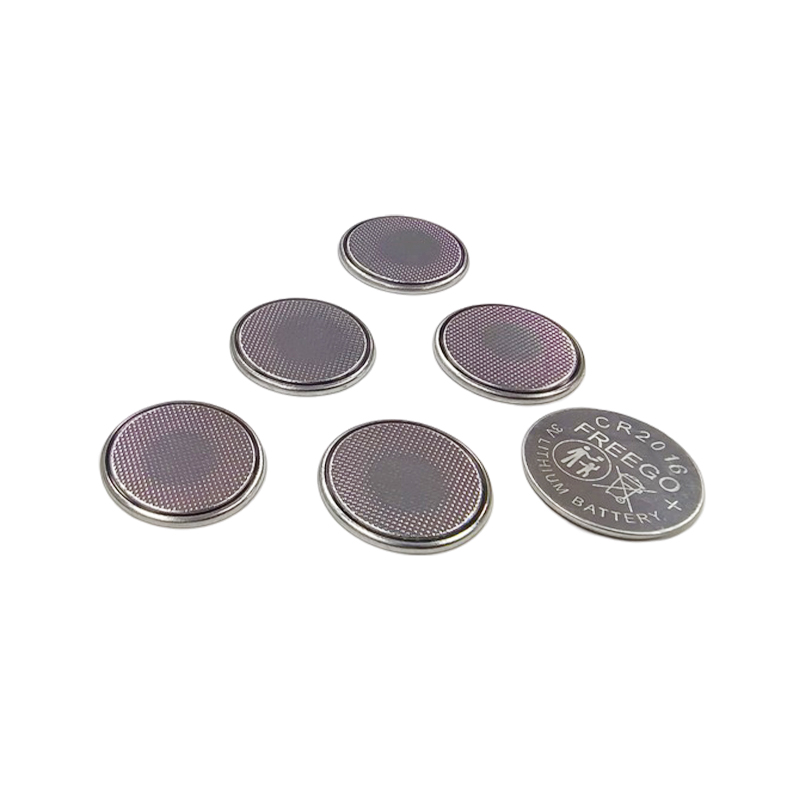
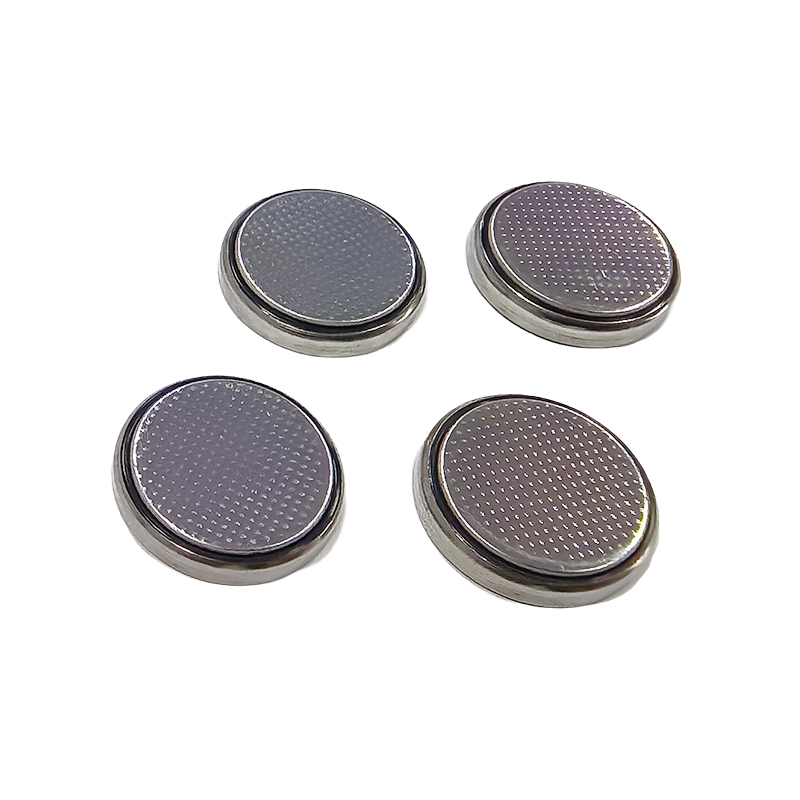
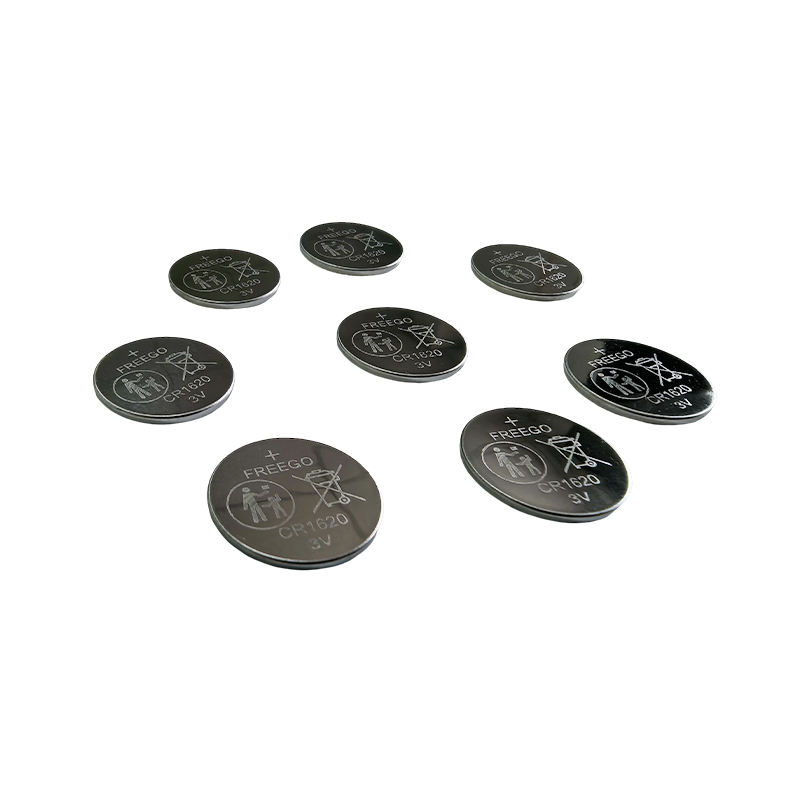
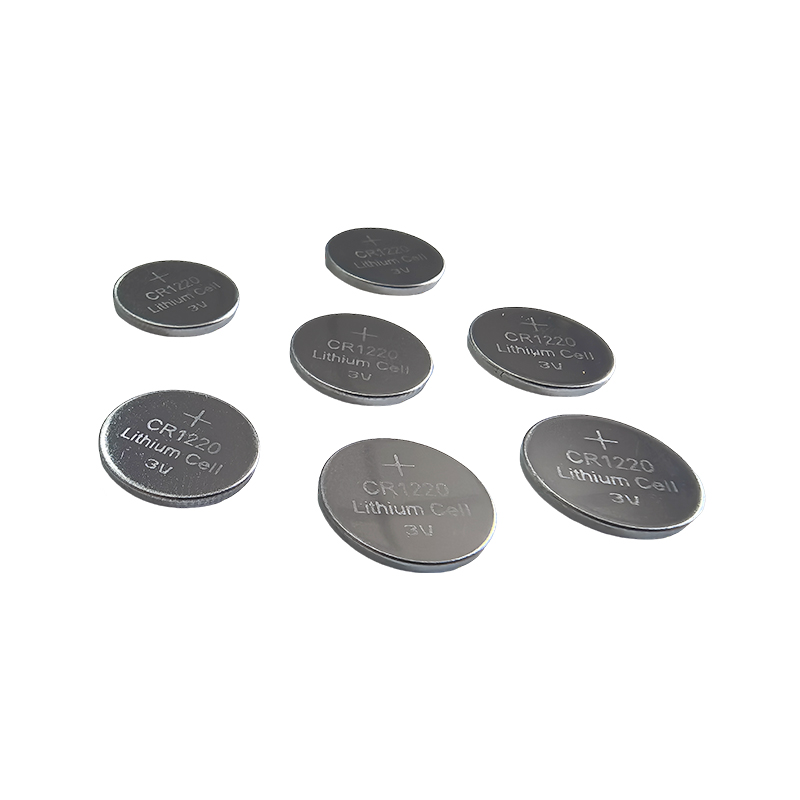
The compact structure of button batteries is one of their core features. Their casing is made of stainless steel, and the internal components consist of an anode, separator, cathode, gaskets, springs, and sealing rings. While this multi-layered stacking design ensures structural stability, it increases internal contact resistance. For example, the introduction of springs and gaskets results in a much higher high-frequency series resistance in button batteries compared to pouch batteries, thus affecting their power output capability. In contrast, pouch batteries use aluminum-plastic film encapsulation, with electrodes directly integrated into the pouch in single-layer or multi-layer stacked form. This reduces the proportion of inactive components, lowers internal resistance, and improves energy transfer efficiency.
The difference in internal resistance is a key factor in the performance divergence between the two. Due to its structural complexity, the internal resistance of button batteries is significantly higher than that of pouch batteries. This difference is particularly evident in electrochemical impedance spectroscopy (EIS) testing: the solid electrolyte interphase (SEI) resistance and charge transfer resistance of button batteries can be hundreds of times higher than those of pouch batteries. High internal resistance directly limits the rate performance of button batteries, making ohmic polarization more severe and voltage drop significant during high-current discharge. Pouch batteries, with their low internal resistance, perform better in high-power scenarios (such as fast charging for smartphones), exhibiting higher energy utilization.
Regarding cycle stability, the higher internal resistance of button batteries leads to increased electrode polarization during long-term cycling, making it easier for lithium metal to deposit on the anode surface, forming dendrites and accelerating capacity decay. Experiments show that the impedance increase of button batteries after 100 cycles is far greater than that of pouch batteries, resulting in a significantly lower capacity retention rate. Pouch batteries, with their lower internal resistance, reduced polarization, more uniform lithium-ion insertion/extraction process, and superior electrode structure stability, thus extending cycle life and making them particularly suitable for scenarios requiring long-term use.
Differences in mechanical design further affect their applicability. The stainless steel casing of button batteries provides high mechanical strength, allowing them to withstand external impacts and compression, making them suitable for micro-devices with stringent safety requirements (such as pacemakers). However, their rigid structure also limits shape flexibility, making it difficult to meet the needs of irregularly shaped spaces. While the aluminum-plastic film encapsulation of pouch batteries has weaker impact resistance, it can be customized into any shape and compressed to extremely thin thicknesses (e.g., 0.5mm), making it irreplaceable in fields with high space utilization requirements, such as smartphones and wearable devices.
Their thermal management and safety performance also differ. Button batteries have excellent thermal conductivity due to their metal casing, but limited internal gas evaporation space, which can lead to seal failure under extreme conditions due to pressure buildup. Pouch batteries, in the event of thermal runaway, typically only exhibit localized bulging rather than a violent explosion, offering superior safety. However, their aluminum-plastic film has poor puncture resistance, requiring structural design improvements (such as adding a buffer layer) to enhance protection.
Regarding cost and manufacturing processes, button batteries have higher production costs due to more components and more complex assembly processes, and increasing production capacity is difficult. While pouch batteries require high-end aluminum-plastic film materials, they benefit from large-scale production and mature stacking technology, resulting in lower unit energy costs and making them more suitable for large-scale applications.
In terms of application scenarios, button batteries dominate the microelectronics market, including precision instruments and IoT sensors, thanks to their small size, high stability, and long lifespan; while pouch batteries, with their high energy density, flexible design, and fast charging and discharging capabilities, have become the mainstream choice in consumer electronics, new energy vehicles, and other fields. The essence of the performance difference between the two stems from the trade-off between structural design and material selection, and this difference has also driven the evolution of lithium-ion battery technology towards specialization and scenario-based applications.