


How stable is the performance of a lithium manganese button battery during pulse discharge?
Release Time : 2025-11-19
The stable performance of button batteries in pulse discharge scenarios stems from their unique electrochemical system and structural design, making them ideal power sources for IoT devices, smart wearables, and industrial sensors. These batteries use lithium metal as the negative electrode and manganese dioxide as the positive electrode, releasing energy through the migration of lithium ions between the electrodes. Their unidirectional, stable redox reaction endows them with high voltage, high energy density, and low self-discharge, providing fundamental support for pulse discharge scenarios.
The core requirement of pulse discharge is for the battery to provide a large current pulse within a short time while maintaining voltage stability. Button batteries significantly improve their pulse discharge capability through optimized internal structure and material selection. Their positive electrode uses chemically stable manganese dioxide, while the negative electrode uses highly active lithium metal, combined with a low-resistivity organic electrolyte, effectively reducing the battery's internal resistance. This reduced internal resistance directly decreases energy loss during current flow, allowing the battery to release energy more efficiently during pulse discharge while avoiding voltage drops caused by excessive internal resistance. For example, in IoT device communication, button batteries can provide instantaneous high-current pulses to ensure complete signal transmission, while voltage fluctuations are far lower than those of traditional batteries.
The voltage stability of button batteries is particularly outstanding during pulse discharge. With a nominal voltage of up to 3V and a flat discharge curve, the voltage drop is minimal even under high pulse currents. This characteristic is crucial for devices requiring precise voltage control. Taking smart water meters as an example, their communication modules require a stable voltage from the battery for data transmission. Excessive voltage fluctuations can lead to data loss or transmission errors. Button batteries, with their voltage stability, ensure reliable operation of the device during pulse discharge, reducing the risk of failures caused by voltage instability.
The frequency of pulse discharges poses a challenge to battery cycle life, but button batteries, through material improvements and process optimization, significantly enhance cycle stability. Traditional batteries may experience capacity decay after repeated pulse discharges due to damage to electrode materials or electrolyte decomposition. However, lithium manganese button batteries form stable chemical bonds between manganese dioxide at the positive electrode and lithium at the negative electrode. The electrolyte uses a high-purity organic solvent, effectively suppressing side reactions. Furthermore, the battery's sealed design employs multi-layer insulating rings and a leak-proof structure to prevent electrolyte leakage, further extending its lifespan. Even under long-term intermittent pulse discharge scenarios, the button battery maintains a high capacity retention rate.
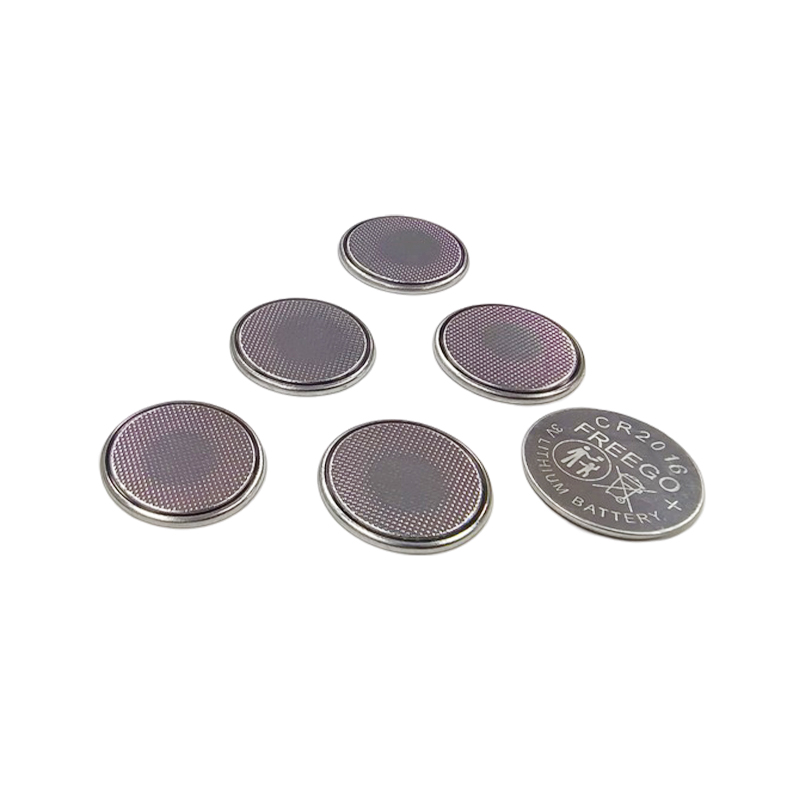
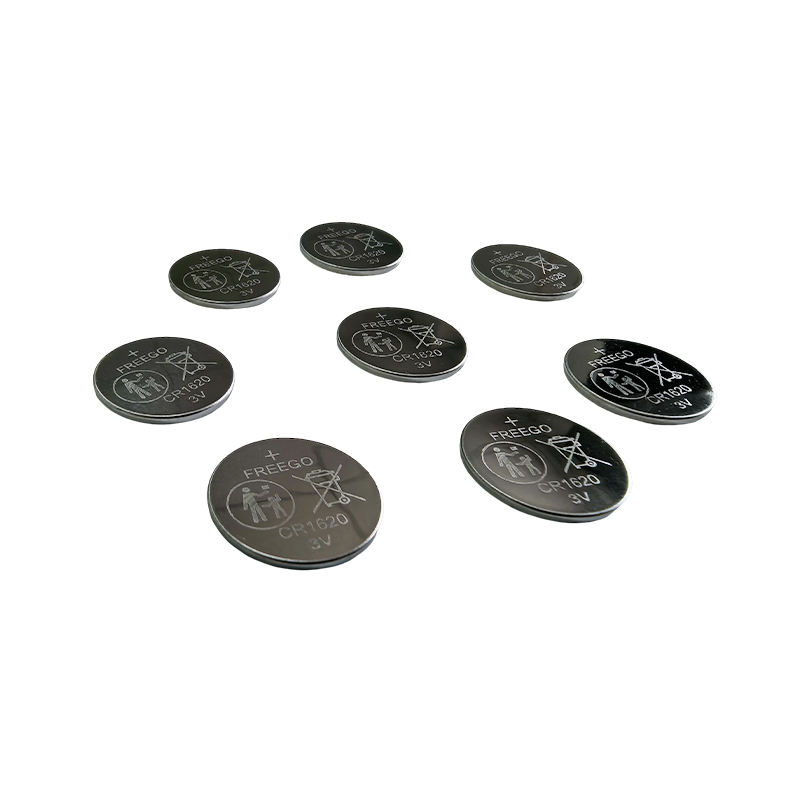
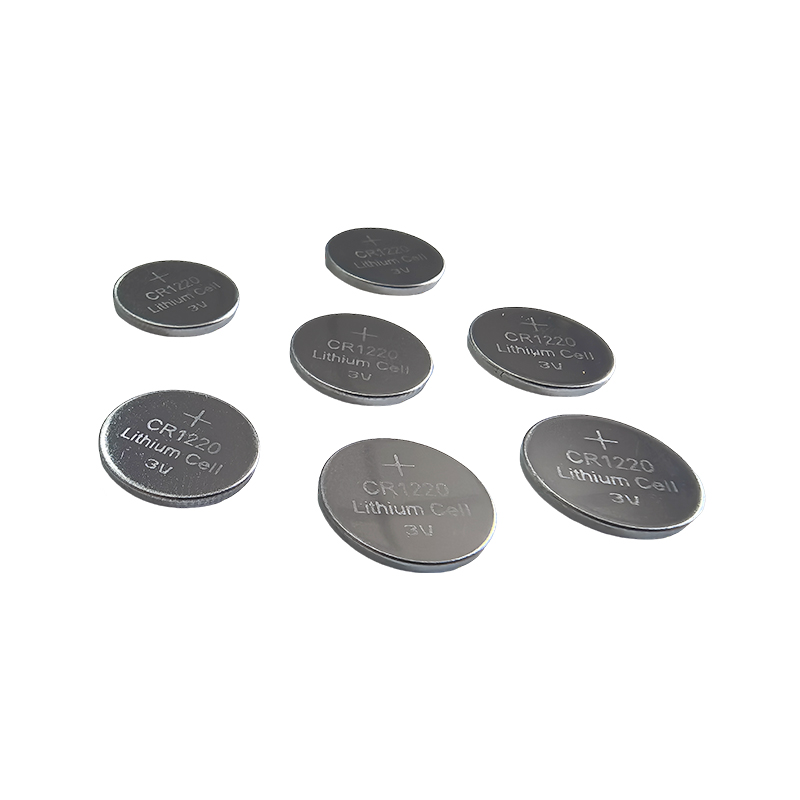
Low-temperature environments pose another challenge for pulse discharge scenarios, and the button battery demonstrates excellent low-temperature adaptability. At temperatures ranging from -20°C to -40°C, the viscosity of the electrolyte inside the battery increases, and the ion migration rate decreases, potentially leading to increased internal resistance and reduced discharge efficiency. The lithium manganese button battery, by selecting electrolytes and electrode materials with excellent low-temperature performance and optimizing the ion conduction path at low temperatures, ensures a stable current supply even during low-temperature pulse discharges. For example, in outdoor sensor applications, the button battery can operate normally in low-temperature winter environments, meeting the pulse current requirements of the equipment. The pulse discharge stability of button batteries is also reflected in their wide range of application compatibility. From keyless entry systems and smart card remote controls to electronic tags and storage backup devices, button batteries, with their compact size, high energy density, and stable pulse discharge performance, have become the preferred power source for micro electronic devices. Their diverse models and specifications, such as CR2032 and CR2450, can meet the battery size and capacity requirements of different devices, further expanding application scenarios.
Button batteries exhibit excellent performance stability in pulse discharge scenarios. Their low internal resistance design, voltage stability, long cycle life, low-temperature adaptability, and wide application compatibility together constitute their core competitiveness in the pulse discharge field. With the rapid development of the Internet of Things, smart wearables, and industrial automation, the demand for button batteries will continue to grow, and their technological upgrades and product innovations will provide reliable power support for more high-pulse scenarios.