


How does the high voltage of lithium manganese button batteries improve the efficiency and simplify circuit design of low-power electronic devices?
Release Time : 2026-02-10
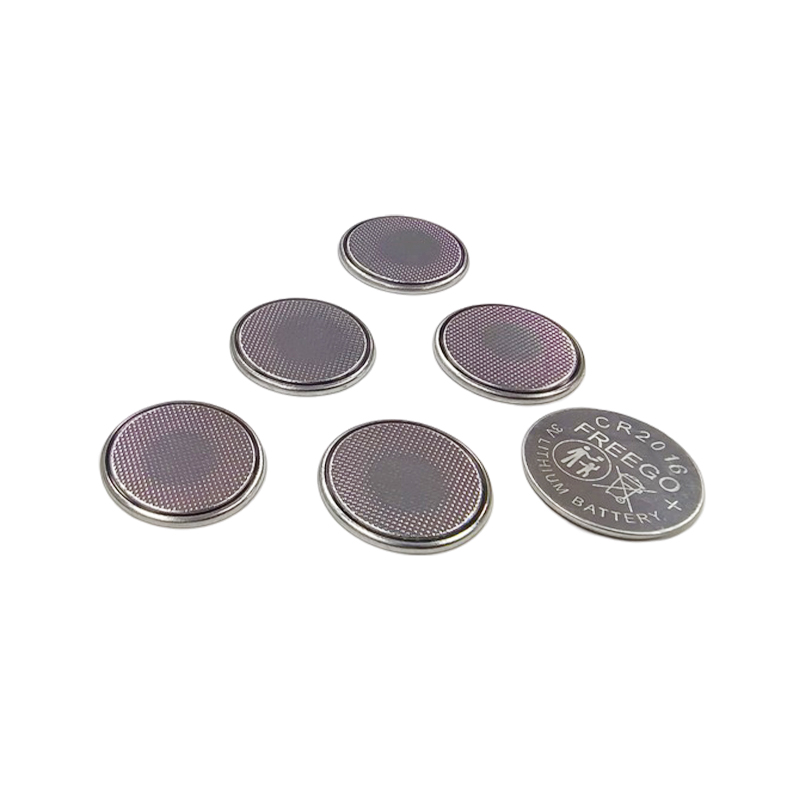
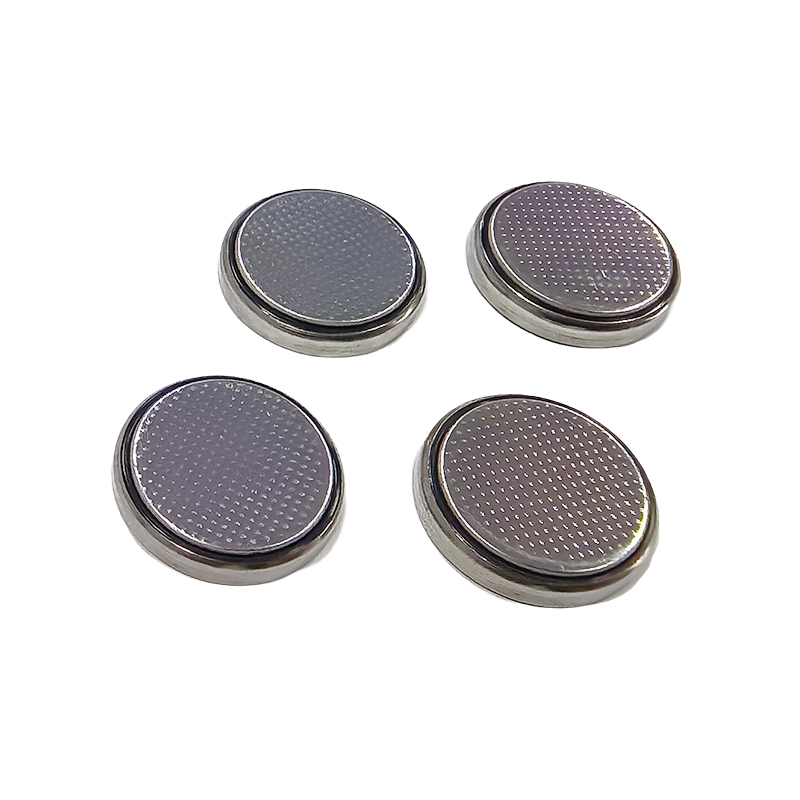
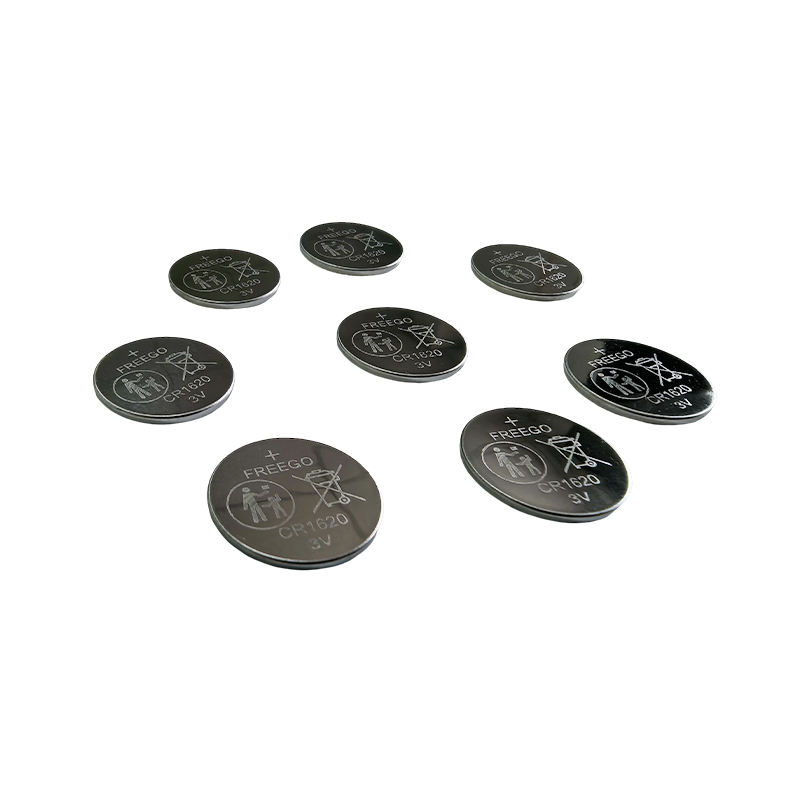
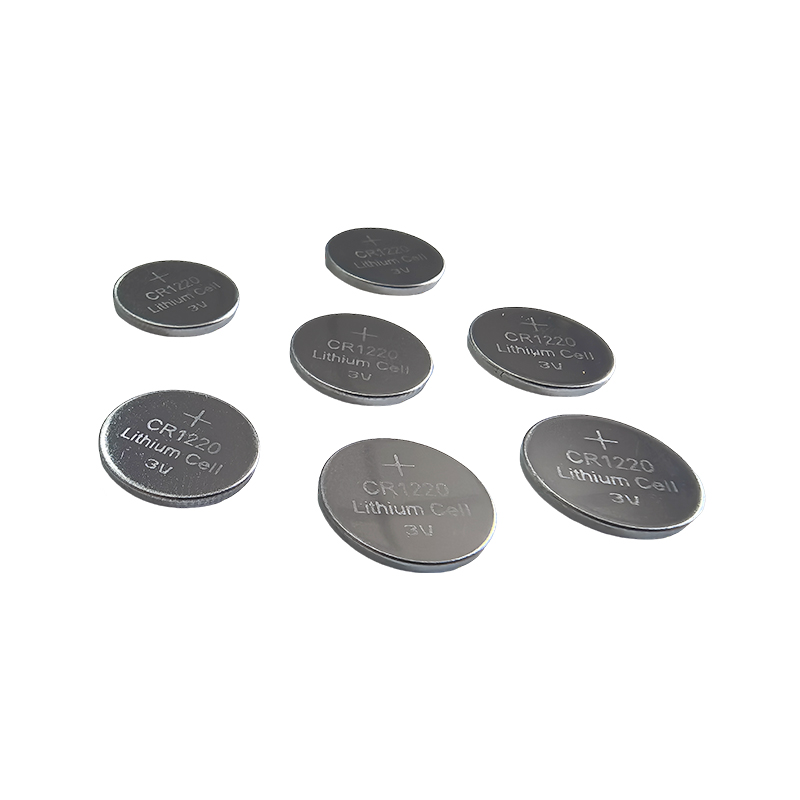
In the context of the booming development of modern microelectronic devices, the power supply, as the "heart" of the system, directly affects the reliability, lifespan, and integration of the entire device. Lithium manganese button batteries, as a typical disposable lithium metal battery, have become the preferred energy source for low-power devices such as remote controls, smartwatches, medical sensors, IoT nodes, and backup power for memory, thanks to their high voltage, high energy density, wide temperature range adaptability, and excellent discharge stability. Their 3V high voltage characteristic not only significantly improves device efficiency but also brings profound simplification and optimization at the circuit architecture level.
1. Single-cell power supply replaces multi-cell series connection, reducing system complexity
Traditional alkaline or zinc-manganese button batteries have a nominal voltage of only 1.5V. Many CMOS logic circuits, microcontrollers, or RF modules that require a 3V operating voltage must use two batteries in series for power supply. This not only increases the size and weight of the battery compartment but also brings problems such as voltage imbalance, increased contact resistance, and a significantly increased risk of failure. A single lithium-manganese button battery can provide a stable 3V output, allowing designers to directly drive mainstream 3V logic devices without series connection. This "single-supply solution" significantly simplifies power management architecture, reduces the number of connection points and solder joints, and improves overall system reliability, making it particularly suitable for space-constrained wearable devices or implantable medical instruments.
2. Improved Power Conversion Efficiency and Reduced Energy Loss
In low-power systems, every microwatt of energy is precious. Using a 1.5V battery to power a 3V load requires a boost DC-DC converter, which inherently suffers from switching losses, quiescent current consumption, and electromagnetic interference, with efficiency potentially falling below 70% under light loads. In contrast, the 3V output of a lithium-manganese battery closely matches the recommended operating voltage of most low-power ICs, allowing direct power supply without additional boost circuitry. This not only eliminates energy losses in the conversion process but also eliminates the need for external components such as inductors and diodes, further reducing PCB area, lowering costs, and avoiding interference with sensitive analog signals due to power supply noise.
3. Stable Discharge Platform Ensures Long-Term Reliable System Operation
The lithium manganese button battery exhibits an extremely flat voltage curve during discharge—during the 90% or higher capacity release phase, the voltage remains almost constant at around 3.0V, only dropping rapidly towards the end. This high stability means that critical components such as the microcontroller, real-time clock, and Bluetooth LE module remain within their optimal operating voltage range throughout the battery's lifespan, preventing resets, communication failures, or data write errors caused by voltage drops. For example, in smart door locks or asset locators, a stable 3V power supply ensures constant RF transmission power and that communication distance does not decrease with battery decay, thereby improving user experience and system robustness.
4. Support for Lower-Power Circuit Design Strategies
The high and stable voltage also provides greater freedom for low-power designs. Many modern MCUs support dynamic voltage regulation or multiple sleep modes, and their wake-up speed and I/O drive capability are positively correlated with the supply voltage. With a 3V supply, GPIO can drive LEDs or buzzers faster, reducing the duration of high-power states; simultaneously, the higher signal-to-noise ratio helps reduce the bit error rate of the analog front-end and reduce retransmission power consumption. Furthermore, in memory backup applications, 3V is sufficient to maintain SRAM data integrity for years, while 1.5V solutions may require additional voltage regulation or more frequent refreshes, increasing design complexity.
In summary, the 3V high voltage of lithium manganese button batteries is not only a numerical advantage but also a key lever for improving system-level performance. By enabling single-cell power supply, eliminating boost losses, providing a stable platform, and supporting advanced low-power strategies, it simplifies circuit design from the outset, improves energy efficiency, and enhances device reliability throughout its entire lifecycle. With the continued miniaturization and extended lifespan trends in the Internet of Things, smart healthcare, and smart homes, this seemingly minor voltage advantage is becoming a crucial cornerstone driving innovation in low-power electronics.
1. Single-cell power supply replaces multi-cell series connection, reducing system complexity
Traditional alkaline or zinc-manganese button batteries have a nominal voltage of only 1.5V. Many CMOS logic circuits, microcontrollers, or RF modules that require a 3V operating voltage must use two batteries in series for power supply. This not only increases the size and weight of the battery compartment but also brings problems such as voltage imbalance, increased contact resistance, and a significantly increased risk of failure. A single lithium-manganese button battery can provide a stable 3V output, allowing designers to directly drive mainstream 3V logic devices without series connection. This "single-supply solution" significantly simplifies power management architecture, reduces the number of connection points and solder joints, and improves overall system reliability, making it particularly suitable for space-constrained wearable devices or implantable medical instruments.
2. Improved Power Conversion Efficiency and Reduced Energy Loss
In low-power systems, every microwatt of energy is precious. Using a 1.5V battery to power a 3V load requires a boost DC-DC converter, which inherently suffers from switching losses, quiescent current consumption, and electromagnetic interference, with efficiency potentially falling below 70% under light loads. In contrast, the 3V output of a lithium-manganese battery closely matches the recommended operating voltage of most low-power ICs, allowing direct power supply without additional boost circuitry. This not only eliminates energy losses in the conversion process but also eliminates the need for external components such as inductors and diodes, further reducing PCB area, lowering costs, and avoiding interference with sensitive analog signals due to power supply noise.
3. Stable Discharge Platform Ensures Long-Term Reliable System Operation
The lithium manganese button battery exhibits an extremely flat voltage curve during discharge—during the 90% or higher capacity release phase, the voltage remains almost constant at around 3.0V, only dropping rapidly towards the end. This high stability means that critical components such as the microcontroller, real-time clock, and Bluetooth LE module remain within their optimal operating voltage range throughout the battery's lifespan, preventing resets, communication failures, or data write errors caused by voltage drops. For example, in smart door locks or asset locators, a stable 3V power supply ensures constant RF transmission power and that communication distance does not decrease with battery decay, thereby improving user experience and system robustness.
4. Support for Lower-Power Circuit Design Strategies
The high and stable voltage also provides greater freedom for low-power designs. Many modern MCUs support dynamic voltage regulation or multiple sleep modes, and their wake-up speed and I/O drive capability are positively correlated with the supply voltage. With a 3V supply, GPIO can drive LEDs or buzzers faster, reducing the duration of high-power states; simultaneously, the higher signal-to-noise ratio helps reduce the bit error rate of the analog front-end and reduce retransmission power consumption. Furthermore, in memory backup applications, 3V is sufficient to maintain SRAM data integrity for years, while 1.5V solutions may require additional voltage regulation or more frequent refreshes, increasing design complexity.
In summary, the 3V high voltage of lithium manganese button batteries is not only a numerical advantage but also a key lever for improving system-level performance. By enabling single-cell power supply, eliminating boost losses, providing a stable platform, and supporting advanced low-power strategies, it simplifies circuit design from the outset, improves energy efficiency, and enhances device reliability throughout its entire lifecycle. With the continued miniaturization and extended lifespan trends in the Internet of Things, smart healthcare, and smart homes, this seemingly minor voltage advantage is becoming a crucial cornerstone driving innovation in low-power electronics.