


Can a button battery, so tiny, power countless sophisticated devices in the smart era?
Release Time : 2026-01-27
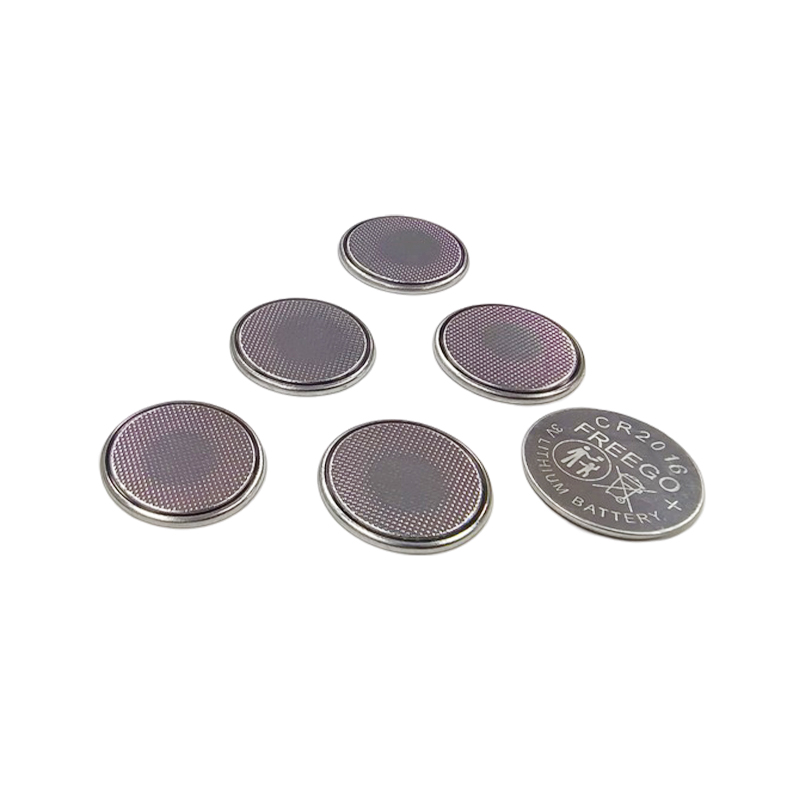
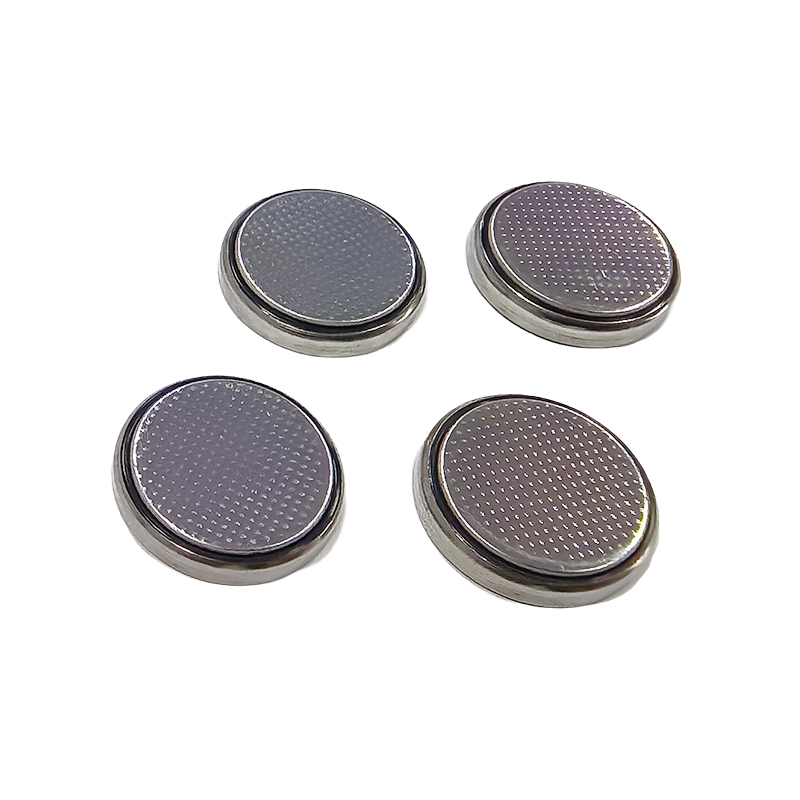
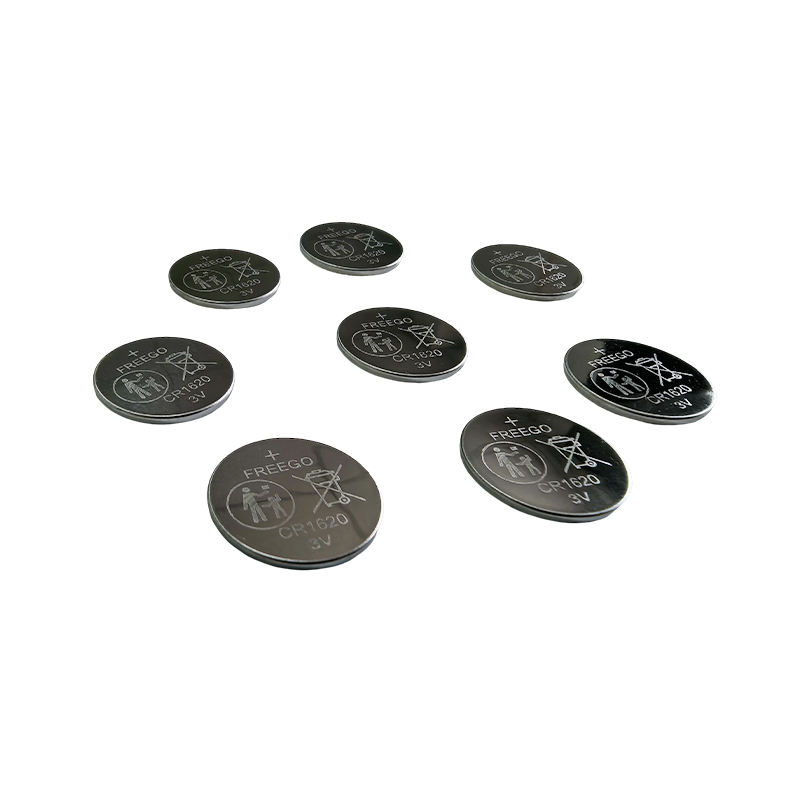
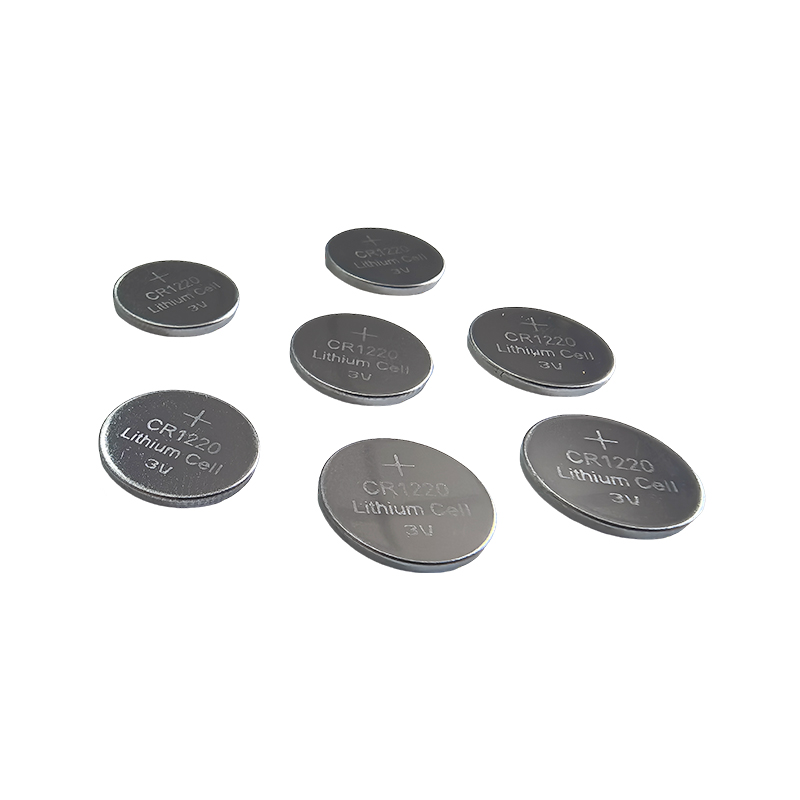
Hidden within modern electronic products is often a coin-sized energy core—the lithium-manganese button battery. Unlike a mobile phone battery, it's not eye-catching and lacks rechargeable cycle life, yet it silently supports countless low-power applications, from medical instruments to smart homes, from wearable devices to IoT terminals, thanks to its stable high voltage, sustained energy output, and reliable performance. This tiny metal disc, though small in size, is the crucial energy link connecting the digital world and physical entities.
Its core value stems primarily from the superior electrochemical properties of the lithium metal chemistry system. As a primary battery, the lithium-manganese system gives the button battery a much higher operating voltage than traditional zinc-manganese batteries, allowing it to provide strong and stable power output within a very small volume. Even in low or high temperature environments, its discharge curve remains flat, ensuring normal operation of devices in harsh climates; its extremely low self-discharge rate allows the battery to retain most of its charge after long-term storage, making it particularly suitable as a power source for real-time clocks, memory backups, or emergency sensors. This "plug-and-play, long-term usability" reliability is an uncompromising prerequisite for many critical applications.
In terms of application breadth, button batteries demonstrate remarkable adaptability and penetration. In the medical field, they provide clean, leak-free power for portable devices such as electronic thermometers, blood glucose meters, and hearing aids. In smart homes, temperature and humidity sensors, wireless switches, and door/magnetic detectors rely on their long lifespan to achieve years of maintenance-free operation. In consumer electronics, Bluetooth earphone cases, smart bracelets, electronic price tags, and even concert light-up bracelets are all made lightweight and agile by their presence. More importantly, in the vast network of the Internet of Things—hundreds of millions of tiny nodes—button batteries, with their wire-free, plug-and-play advantages, have become one of the most economical and efficient power solutions for achieving the "Internet of Everything."
A deeper significance lies in liberating product design freedom. Due to their small size and regular shape, engineers can embed them in extremely narrow gaps or curved structures without needing to reserve a large space for the power supply. This allows devices to achieve ultra-thin, streamlined, or flexible forms. Simultaneously, its sealed metal casing provides excellent leak-proof and pressure-resistant capabilities, ensuring the safety of internal circuitry even under high humidity, vibration, or frequent start-stop conditions, preventing data loss or functional interruption due to battery failure.
Furthermore, safety and environmental compliance are maintained throughout its entire lifecycle. High-quality lithium manganese button batteries employ multiple safety designs, including explosion-proof valves, insulating seals, and stable electrolytes, effectively preventing short circuits, overheating, or gas accumulation. The manufacturing process strictly adheres to international environmental standards, containing no harmful substances such as mercury or cadmium, facilitating recycling. Despite being disposable, its extended service life reduces replacement frequency and resource consumption, aligning with sustainable development principles.
Ultimately, the value of a button battery lies not in how many joules of energy it releases, but in how it seamlessly integrates technology into daily life. When smart door locks respond accurately to commands on a cold winter morning, when tire pressure monitors continuously safeguard safety during high-speed driving, when electronic tags silently transmit information in warehouse systems—behind all of this is this tiny battery, silently and steadily illuminating every corner of the intelligent world. Because in the philosophy of electronic engineering, true power is not the roar of electric current, but the persistence at the milliampere level—tiny as dust, yet enough to drive the future.
Its core value stems primarily from the superior electrochemical properties of the lithium metal chemistry system. As a primary battery, the lithium-manganese system gives the button battery a much higher operating voltage than traditional zinc-manganese batteries, allowing it to provide strong and stable power output within a very small volume. Even in low or high temperature environments, its discharge curve remains flat, ensuring normal operation of devices in harsh climates; its extremely low self-discharge rate allows the battery to retain most of its charge after long-term storage, making it particularly suitable as a power source for real-time clocks, memory backups, or emergency sensors. This "plug-and-play, long-term usability" reliability is an uncompromising prerequisite for many critical applications.
In terms of application breadth, button batteries demonstrate remarkable adaptability and penetration. In the medical field, they provide clean, leak-free power for portable devices such as electronic thermometers, blood glucose meters, and hearing aids. In smart homes, temperature and humidity sensors, wireless switches, and door/magnetic detectors rely on their long lifespan to achieve years of maintenance-free operation. In consumer electronics, Bluetooth earphone cases, smart bracelets, electronic price tags, and even concert light-up bracelets are all made lightweight and agile by their presence. More importantly, in the vast network of the Internet of Things—hundreds of millions of tiny nodes—button batteries, with their wire-free, plug-and-play advantages, have become one of the most economical and efficient power solutions for achieving the "Internet of Everything."
A deeper significance lies in liberating product design freedom. Due to their small size and regular shape, engineers can embed them in extremely narrow gaps or curved structures without needing to reserve a large space for the power supply. This allows devices to achieve ultra-thin, streamlined, or flexible forms. Simultaneously, its sealed metal casing provides excellent leak-proof and pressure-resistant capabilities, ensuring the safety of internal circuitry even under high humidity, vibration, or frequent start-stop conditions, preventing data loss or functional interruption due to battery failure.
Furthermore, safety and environmental compliance are maintained throughout its entire lifecycle. High-quality lithium manganese button batteries employ multiple safety designs, including explosion-proof valves, insulating seals, and stable electrolytes, effectively preventing short circuits, overheating, or gas accumulation. The manufacturing process strictly adheres to international environmental standards, containing no harmful substances such as mercury or cadmium, facilitating recycling. Despite being disposable, its extended service life reduces replacement frequency and resource consumption, aligning with sustainable development principles.
Ultimately, the value of a button battery lies not in how many joules of energy it releases, but in how it seamlessly integrates technology into daily life. When smart door locks respond accurately to commands on a cold winter morning, when tire pressure monitors continuously safeguard safety during high-speed driving, when electronic tags silently transmit information in warehouse systems—behind all of this is this tiny battery, silently and steadily illuminating every corner of the intelligent world. Because in the philosophy of electronic engineering, true power is not the roar of electric current, but the persistence at the milliampere level—tiny as dust, yet enough to drive the future.