


How do button batteries simplify electronic circuits and improve device response speed?
Release Time : 2026-01-08
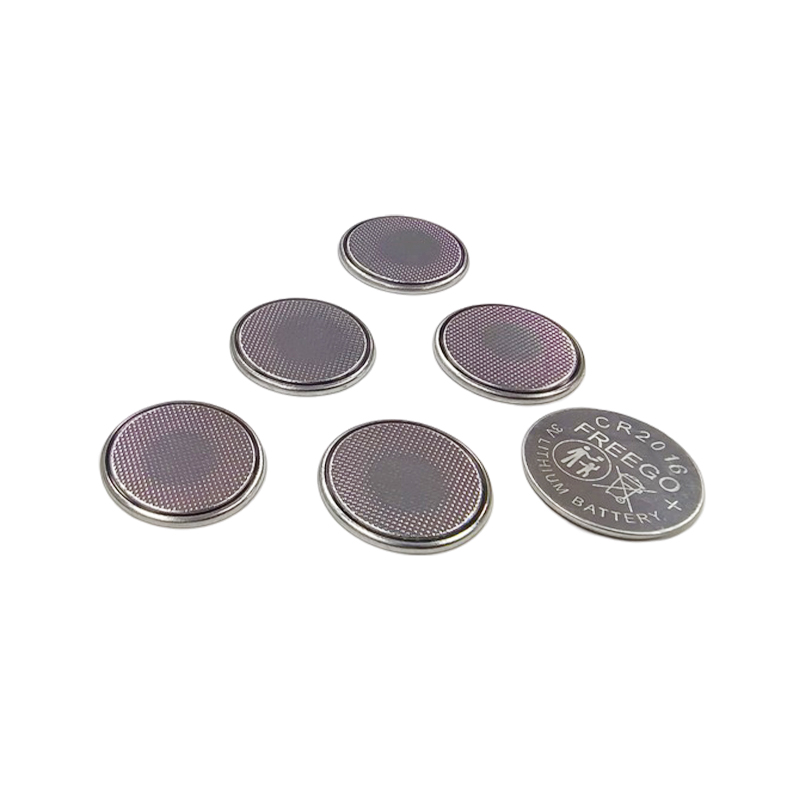
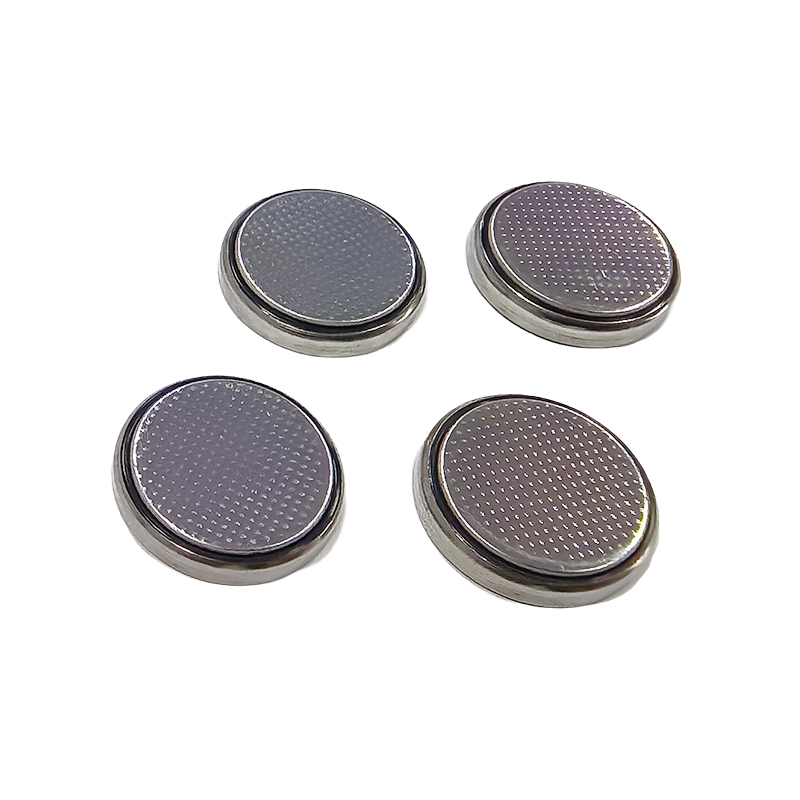
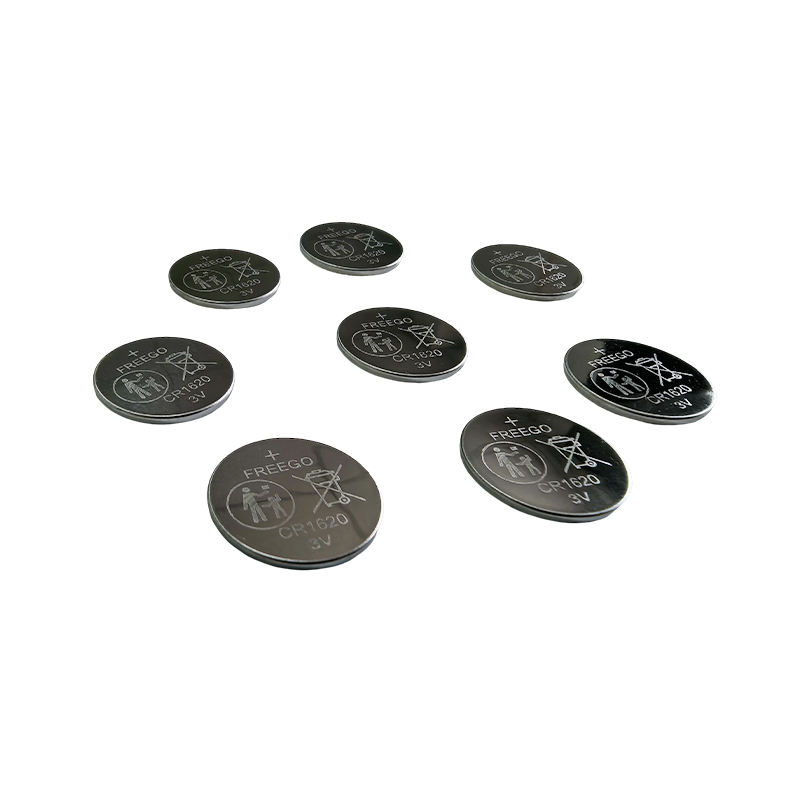
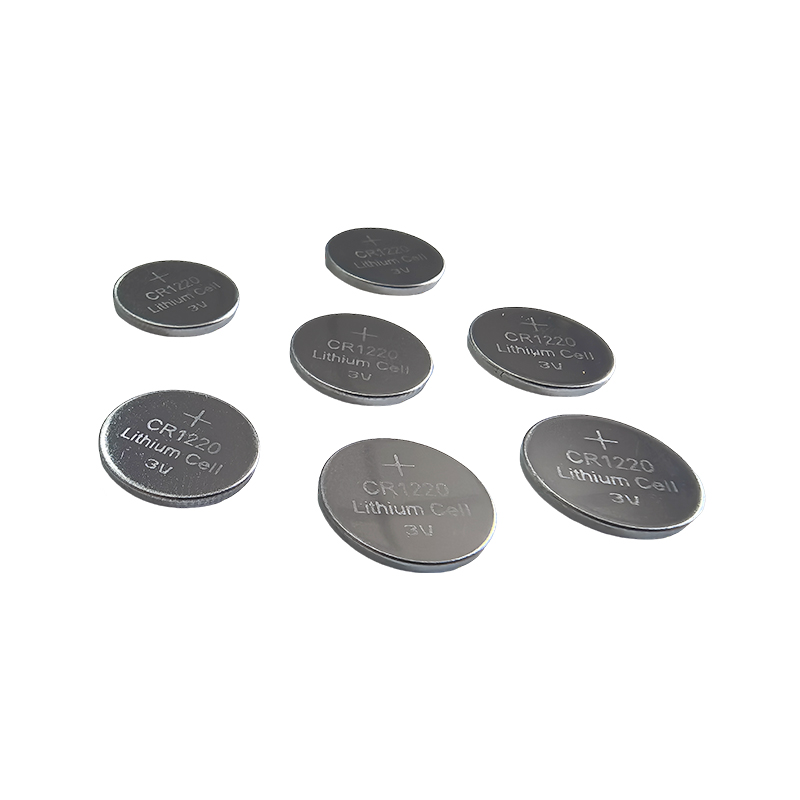
In the context of the increasing prevalence of modern microelectronic devices, the choice of power source not only affects battery life but also directly impacts the complexity and performance of product design. Button batteries, with their 3V nominal voltage, high energy density, and stable discharge characteristics, have become the preferred power source for many low-power smart devices. Particularly noteworthy is that their high voltage characteristic significantly simplifies electronic circuit structure in practical applications and effectively improves device response speed and operational reliability.
1. Single-cell 3V power supply: Eliminating the need for boost or voltage multiplier circuits
Traditional zinc-manganese or alkaline button batteries have a nominal voltage of only 1.5V, while many modern integrated circuits, microcontrollers, sensors, and wireless modules typically operate at 2.0V–3.6V. Using a 1.5V battery would require an additional DC-DC boost circuit or two batteries in series, which not only increases cost and occupies valuable space but also introduces additional power consumption and potential points of failure. 1. **Stable 3V Output from a Single Button Battery:** This single button battery provides a stable 3V output, directly matching the power requirements of mainstream low-power chips. It eliminates the need for complex power management units, resulting in a simpler circuit board layout, lower cost, and higher reliability.
2. Flat Discharge Curve: Ensuring High-Performance System Operation Throughout the Journey
Lithium-manganese batteries exhibit an extremely gradual voltage drop during discharge, maintaining a near-3V output for over 90% of discharge cycles. This means the device receives a sufficient and stable voltage supply throughout its entire battery life. In contrast, alkaline batteries experience a continuous voltage decline as the battery depletes, potentially causing malfunctions, sluggish responses, or even restarts due to insufficient voltage before the battery is fully depleted. The stable power supply of lithium-manganese batteries ensures the microcontroller is always in optimal working condition, resulting in accurate sensor sampling and constant wireless transmission power, thus comprehensively improving device response speed and user experience.
3. Low Internal Resistance and High Pulse Capability: Supporting Instantaneous High-Load Demands
Although button batteries are disposable primary batteries, their low internal resistance allows them to provide instantaneous pulse currents in the tens of milliamps range. This is crucial for devices requiring short-duration high-power output—such as wireless doorbells sending RF signals, electronic scales performing ADC sampling, or smart sensors uploading data. Stable high voltage combined with excellent pulse performance allows devices to quickly complete critical operations without the need for additional large-capacity filter capacitors or energy storage capacitors, significantly reducing response latency and improving interaction smoothness.
4. Wide Temperature Range Stability: Ensuring Reliable Startup in Extreme Environments
Lithium-manganese batteries can operate normally within a temperature range of -20℃ to +60℃, and their voltage drop at low temperatures is far less than that of alkaline batteries. In door and window sensors, outdoor thermometers and hygrometers, or automotive electronic devices used in cold regions, the 3V high voltage can easily drive the MCU to start even at low temperatures, avoiding startup failures or response stutters caused by slow voltage ramp-up. This "plug-and-play" characteristic further enhances the device's instant response capability in various environments.
The button battery, seemingly tiny, plays the role of a "high-efficiency engine" in the world of microelectronics with its core advantage of 3V high voltage. It not only reduces the complexity of external power circuitry, lowering overall cost and size, but also ensures that the device responds quickly and reliably to every command throughout its entire lifecycle through stable and powerful power output. In the era of the Internet of Things, which pursues miniaturization, intelligence, and long lifespan, the value of the button battery lies in this perfect unity of "simplicity" and "speed."
1. Single-cell 3V power supply: Eliminating the need for boost or voltage multiplier circuits
Traditional zinc-manganese or alkaline button batteries have a nominal voltage of only 1.5V, while many modern integrated circuits, microcontrollers, sensors, and wireless modules typically operate at 2.0V–3.6V. Using a 1.5V battery would require an additional DC-DC boost circuit or two batteries in series, which not only increases cost and occupies valuable space but also introduces additional power consumption and potential points of failure. 1. **Stable 3V Output from a Single Button Battery:** This single button battery provides a stable 3V output, directly matching the power requirements of mainstream low-power chips. It eliminates the need for complex power management units, resulting in a simpler circuit board layout, lower cost, and higher reliability.
2. Flat Discharge Curve: Ensuring High-Performance System Operation Throughout the Journey
Lithium-manganese batteries exhibit an extremely gradual voltage drop during discharge, maintaining a near-3V output for over 90% of discharge cycles. This means the device receives a sufficient and stable voltage supply throughout its entire battery life. In contrast, alkaline batteries experience a continuous voltage decline as the battery depletes, potentially causing malfunctions, sluggish responses, or even restarts due to insufficient voltage before the battery is fully depleted. The stable power supply of lithium-manganese batteries ensures the microcontroller is always in optimal working condition, resulting in accurate sensor sampling and constant wireless transmission power, thus comprehensively improving device response speed and user experience.
3. Low Internal Resistance and High Pulse Capability: Supporting Instantaneous High-Load Demands
Although button batteries are disposable primary batteries, their low internal resistance allows them to provide instantaneous pulse currents in the tens of milliamps range. This is crucial for devices requiring short-duration high-power output—such as wireless doorbells sending RF signals, electronic scales performing ADC sampling, or smart sensors uploading data. Stable high voltage combined with excellent pulse performance allows devices to quickly complete critical operations without the need for additional large-capacity filter capacitors or energy storage capacitors, significantly reducing response latency and improving interaction smoothness.
4. Wide Temperature Range Stability: Ensuring Reliable Startup in Extreme Environments
Lithium-manganese batteries can operate normally within a temperature range of -20℃ to +60℃, and their voltage drop at low temperatures is far less than that of alkaline batteries. In door and window sensors, outdoor thermometers and hygrometers, or automotive electronic devices used in cold regions, the 3V high voltage can easily drive the MCU to start even at low temperatures, avoiding startup failures or response stutters caused by slow voltage ramp-up. This "plug-and-play" characteristic further enhances the device's instant response capability in various environments.
The button battery, seemingly tiny, plays the role of a "high-efficiency engine" in the world of microelectronics with its core advantage of 3V high voltage. It not only reduces the complexity of external power circuitry, lowering overall cost and size, but also ensures that the device responds quickly and reliably to every command throughout its entire lifecycle through stable and powerful power output. In the era of the Internet of Things, which pursues miniaturization, intelligence, and long lifespan, the value of the button battery lies in this perfect unity of "simplicity" and "speed."